March 15, 2026
Featured in The Geographer: Measuring Glaciers and Tracking Icebergs in Canada’s High Arctic
Posted by Adam Garbo
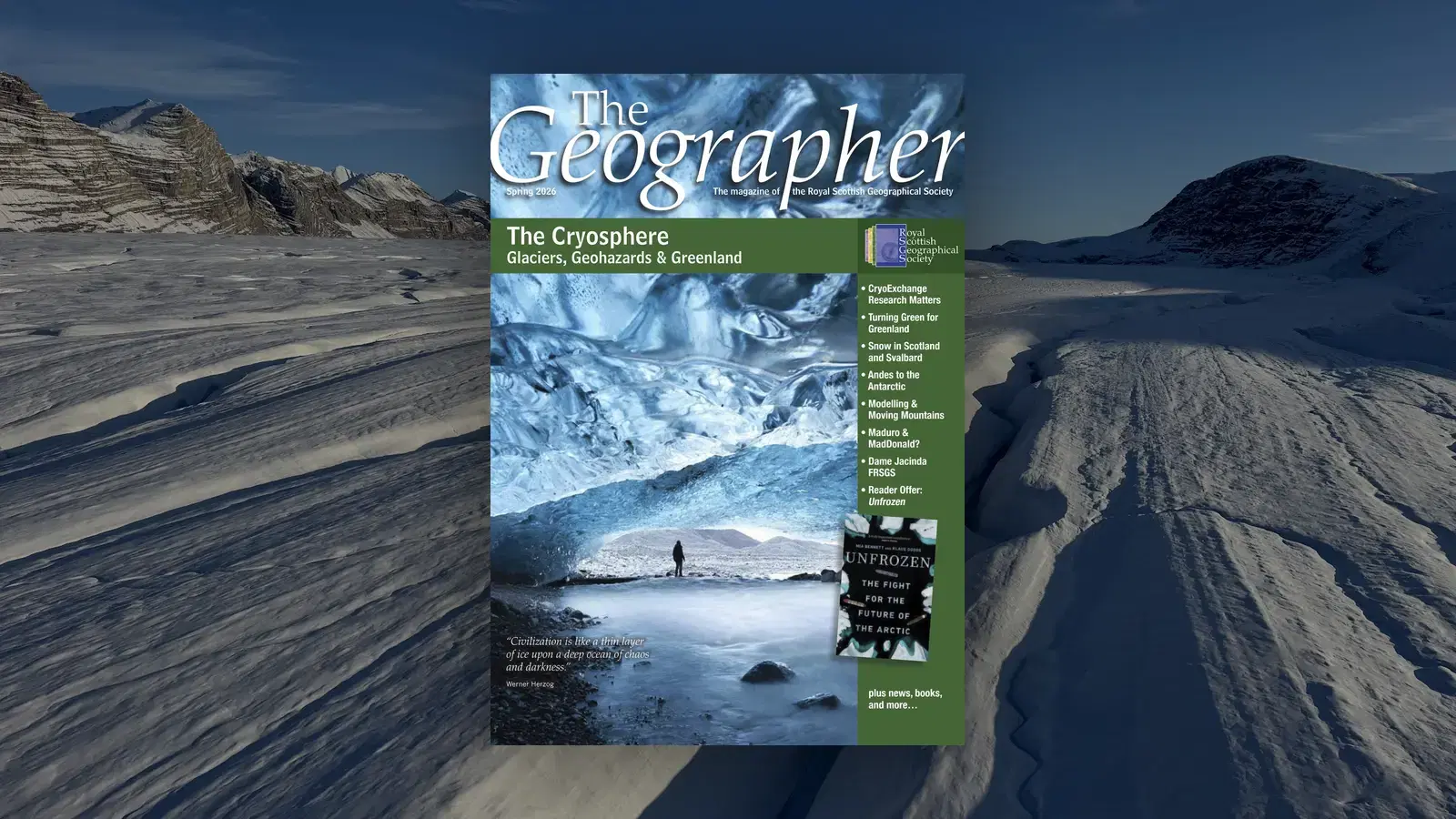
Measuring Glaciers and Tracking Icebergs in Canada’s High Arctic
I recently had the opportunity to contribute an article to The Geographer, the magazine of the Royal Scottish Geographical Society (RSGS), as part of a special issue focused on cryosphere science.
Many thanks to Dr. Anna Crawford (University of Stirling) for the invitation to contribute to this CryoExchange special issue, and to the wider SAGES and CryoExchange communities for bringing together researchers working across many different areas of cryosphere science.
My article, Measuring Glaciers and Tracking Icebergs in Canada’s High Arctic, focuses on fieldwork conducted during the 2025 expedition aboard the CCGS Amundsen to the Queen Elizabeth Islands, one of the least studied glacierized regions in the Canadian Arctic.
The article discusses two complementary aspects of my PhD research: measuring glacier thickness using airborne ice-penetrating radar and tracking drifting icebergs and ice islands using Cryologger Ice Tracking Beacons (ITBs), low-power satellite tracking systems designed for long-duration deployments in remote polar environments.
It also reflects on the practical realities of fieldwork in the High Arctic, where weather, sea ice, aircraft availability, and logistics often shape what can realistically be achieved.
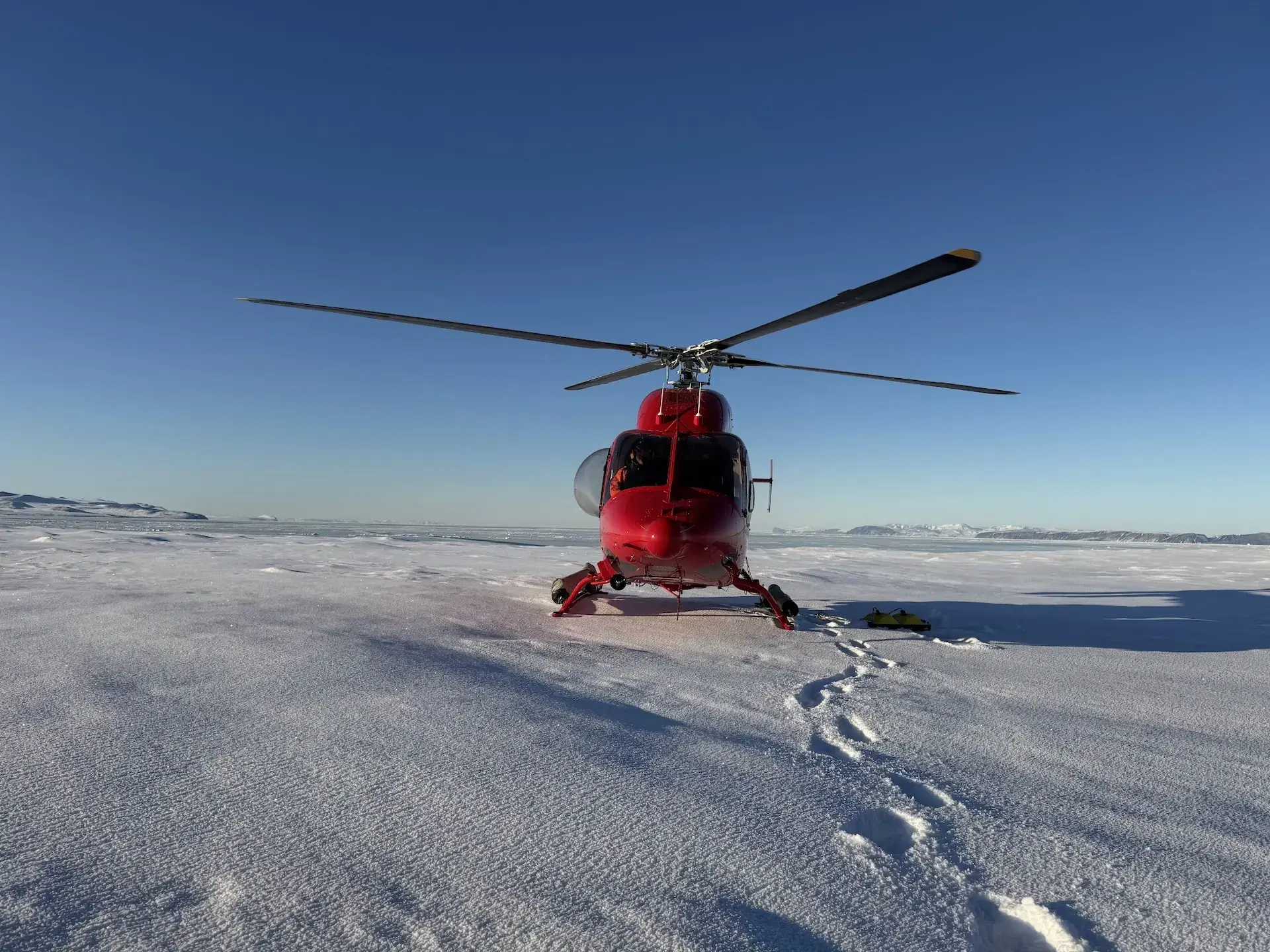
Helicopter-supported iceberg tracking beacon deployments conducted during the 2025 Amundsen Expedition to the Queen Elizabeth Islands, Nunavut.
Read the Full Article
You can explore both the article and the wider cryosphere special issue below.
Measuring Glaciers and Tracking Icebergs in Canada’s High Arctic
Jump directly to the article in The Geographer Spring 2026 special issue.
The Geographer: The Cryosphere Special Issue
Explore the complete cryosphere special issue from the Royal Scottish Geographical Society.